Who can donate blood? The eligibility rules, explained
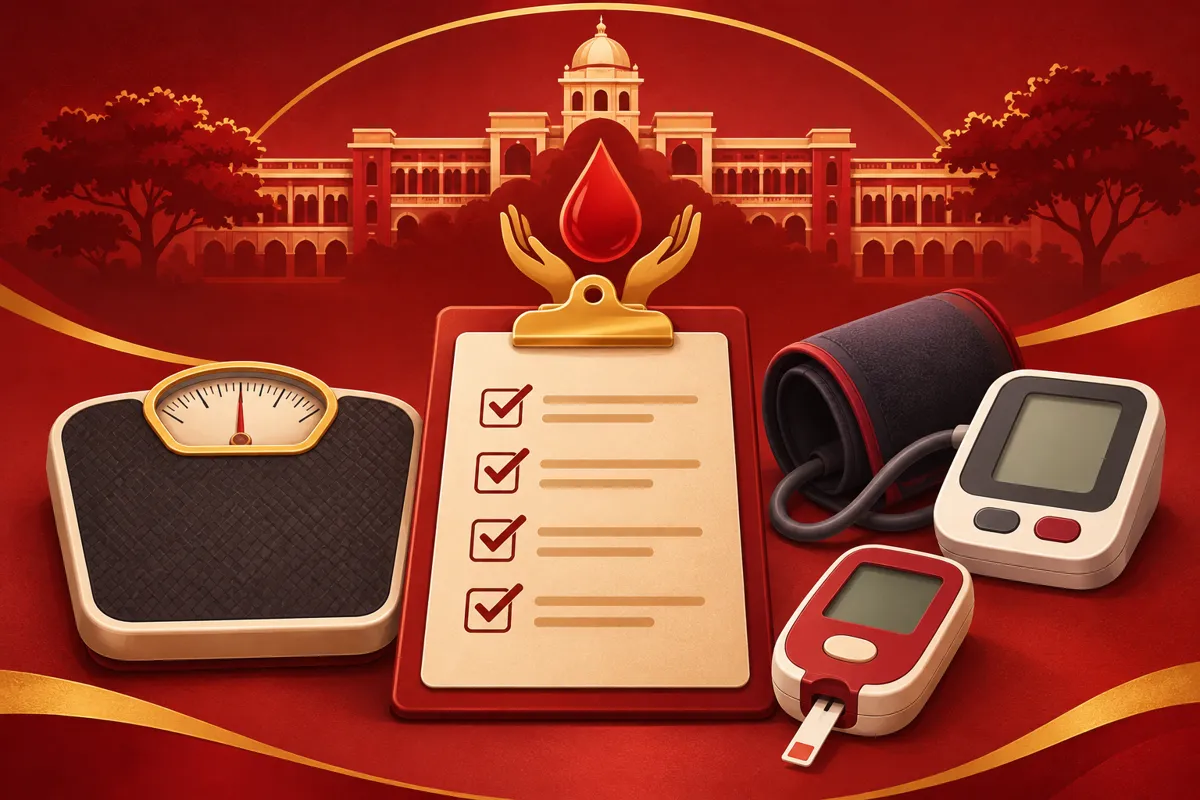
Age, weight, haemoglobin and the gap between donations: what the national guidelines say and why each rule exists.
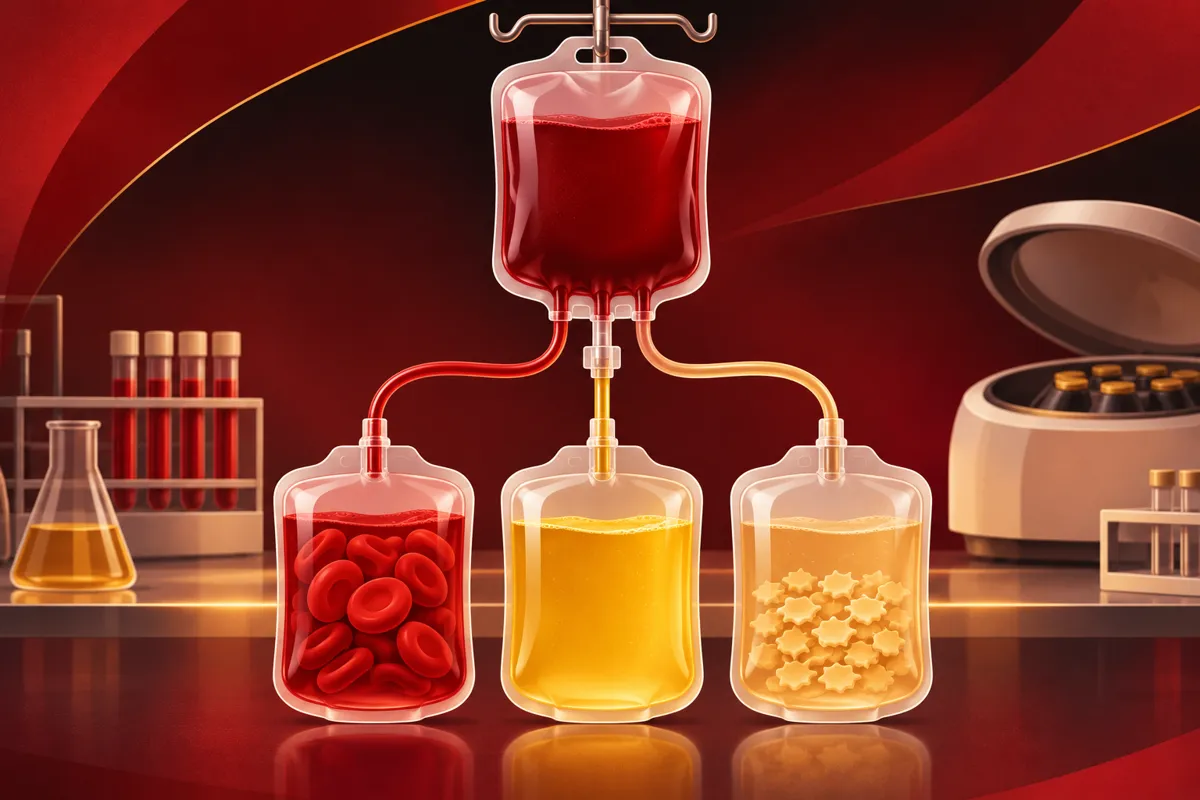
When you give one unit of whole blood, it rarely goes to a single patient as it is. Modern blood centres separate it into components, so that each patient gets only the part they need. That is why one donation can help up to three patients.
| Component | Who needs it | Stored |
|---|---|---|
| Red cells | Accident and surgery patients, mothers who bleed during childbirth, people with severe anaemia, children with thalassaemia | Up to 35–42 days at 2–6 °C, depending on the bag solution |
| Platelets | People with very low platelet counts: cancer treatment, some cases of dengue, bleeding disorders | Only 5 days at 20–24 °C, gently shaken all the time |
| Plasma | Patients with severe bleeding, burns, liver disease and clotting problems | Up to 1 year when frozen below −30 °C |
Why regular donors matter: platelets keep for only five days and red cells for about six weeks. Blood cannot be manufactured or stockpiled for long, so the supply depends on people donating all year round, not only during emergencies.
Giving each patient only the component they need is safer, because they receive less of what they don't need. It also makes every donation go further. India's National Blood Policy encourages blood centres to use components rather than whole blood wherever possible.
So the next time you donate, picture three bags: one for an accident victim, one for a child on chemotherapy, and one for a patient with burns.
This article is general health information, not medical advice. Eligibility is always decided by the doctor at the blood centre. Content to be reviewed by the Department of Immunohaematology & Blood Transfusion, MMC.
Age, weight, haemoglobin and the gap between donations: what the national guidelines say and why each rule exists.
Eat, drink, sleep, bring ID. Then rest, hydrate and skip the gym for a day. Small steps that make donation easy.
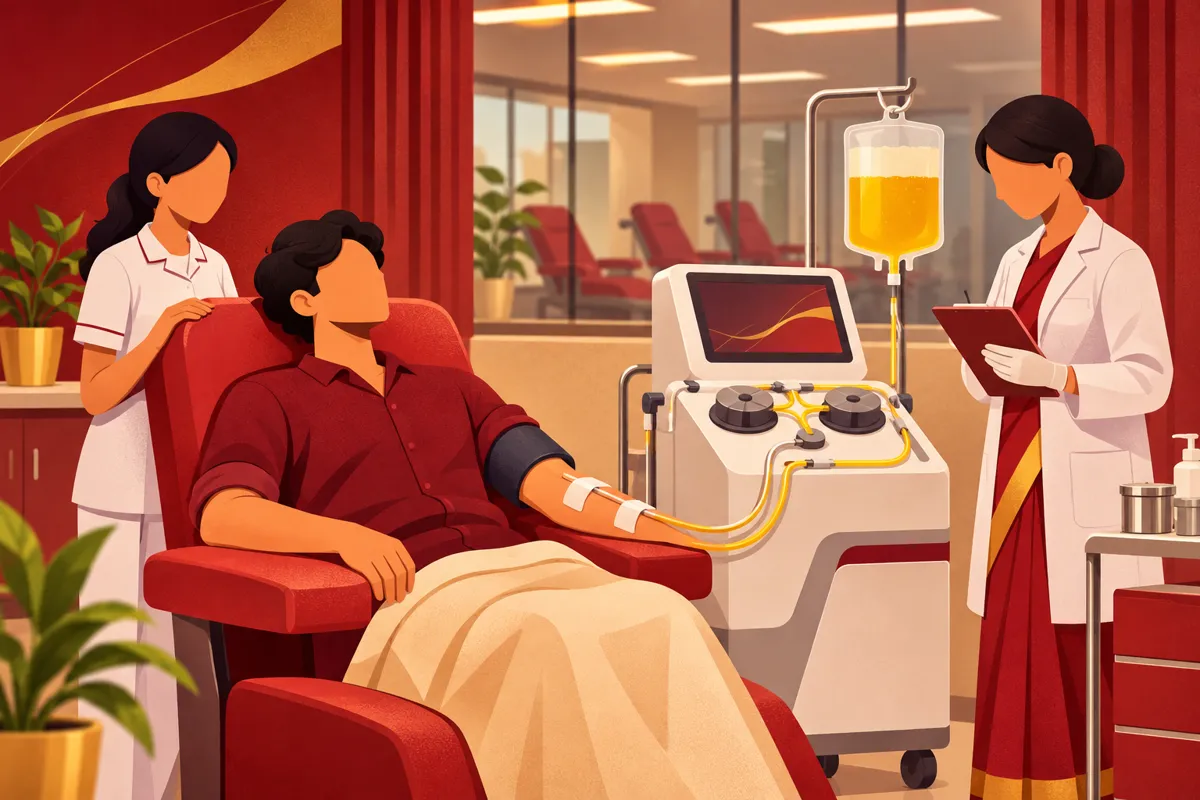
A machine collects only platelets and returns the rest of your blood. Who needs them, and how often you can give.
Take the online pledge and download your certificate. The blood centre calls you when your group is needed.