Who can donate blood? The eligibility rules, explained
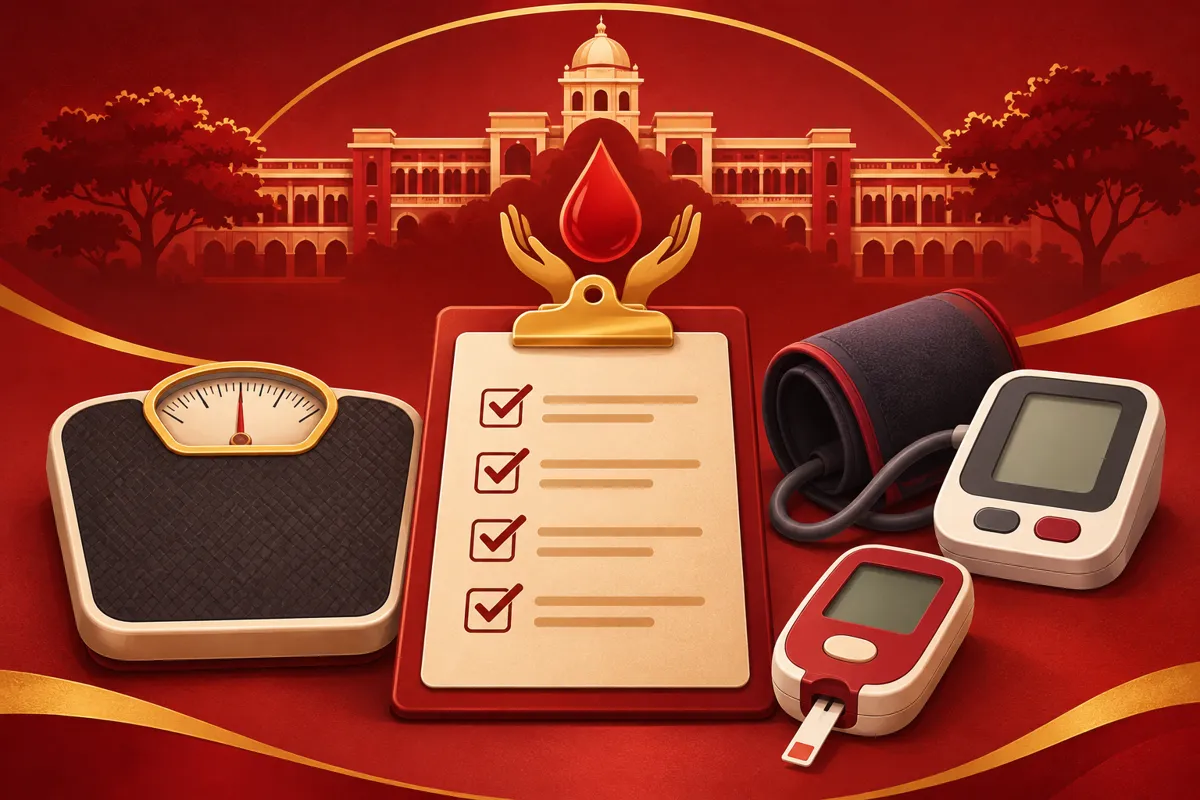
Age, weight, haemoglobin and the gap between donations: what the national guidelines say and why each rule exists.
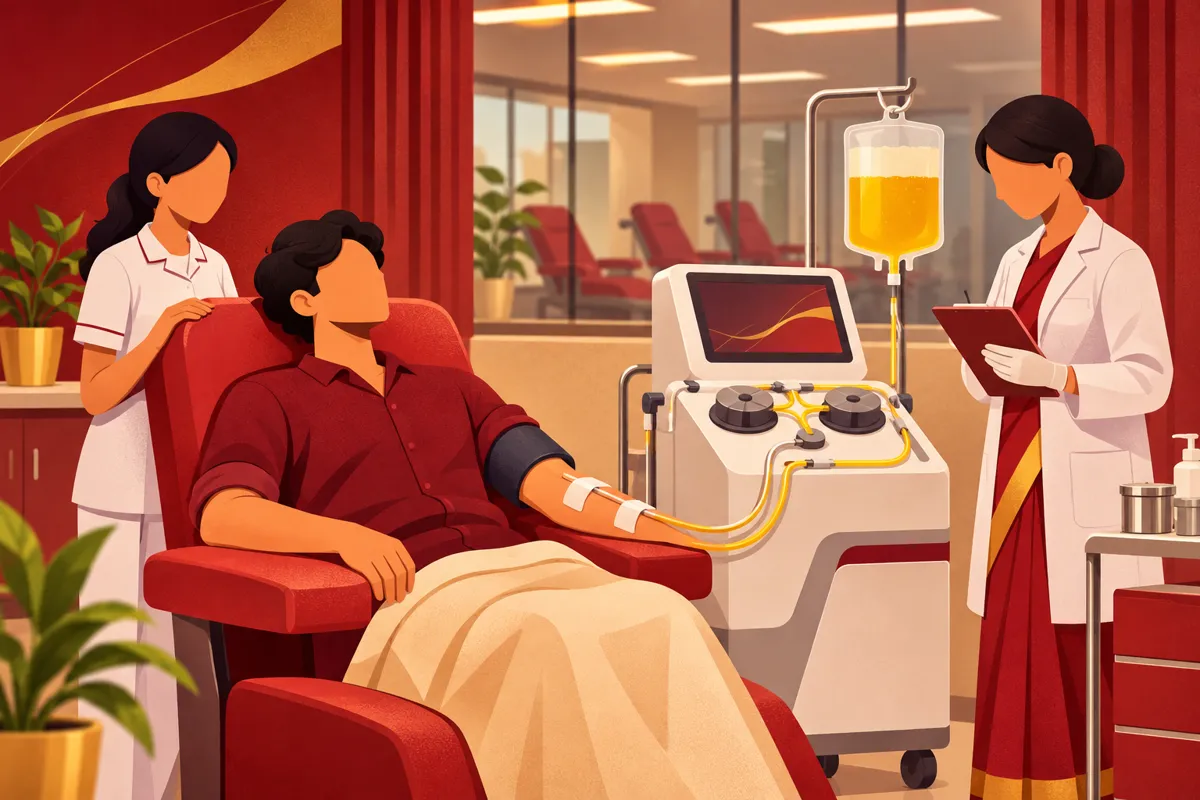
Platelets are tiny cell fragments that help blood clot. Some patients need platelet transfusions to prevent or stop dangerous bleeding. Platelets can be separated from ordinary whole blood donations, or collected directly from one donor by apheresis.
Blood is drawn from your arm into a machine that spins it, keeps only the platelets, and returns the red cells and plasma to you. The process takes about an hour to an hour and a half. One apheresis donation gives about as many platelets as several whole blood donations, all from a single donor, which means fewer exposures for the patient.
Platelets keep for only 5 days (at 20–24 °C, gently shaken all the time). They cannot be stored for long, so a ready pool of willing donors is vital.
The criteria for apheresis donors are a little stricter than for whole blood. The national guidelines set limits on age (generally 18 to 60), weight, and your platelet count, which is checked before donation. Because your body replaces platelets within days:
Ask the blood centre at Government Rajaji Hospital whether apheresis donation is available, and whether you are suitable.
This article is general health information, not medical advice. Eligibility is always decided by the doctor at the blood centre. Content to be reviewed by the Department of Immunohaematology & Blood Transfusion, MMC.
Age, weight, haemoglobin and the gap between donations: what the national guidelines say and why each rule exists.
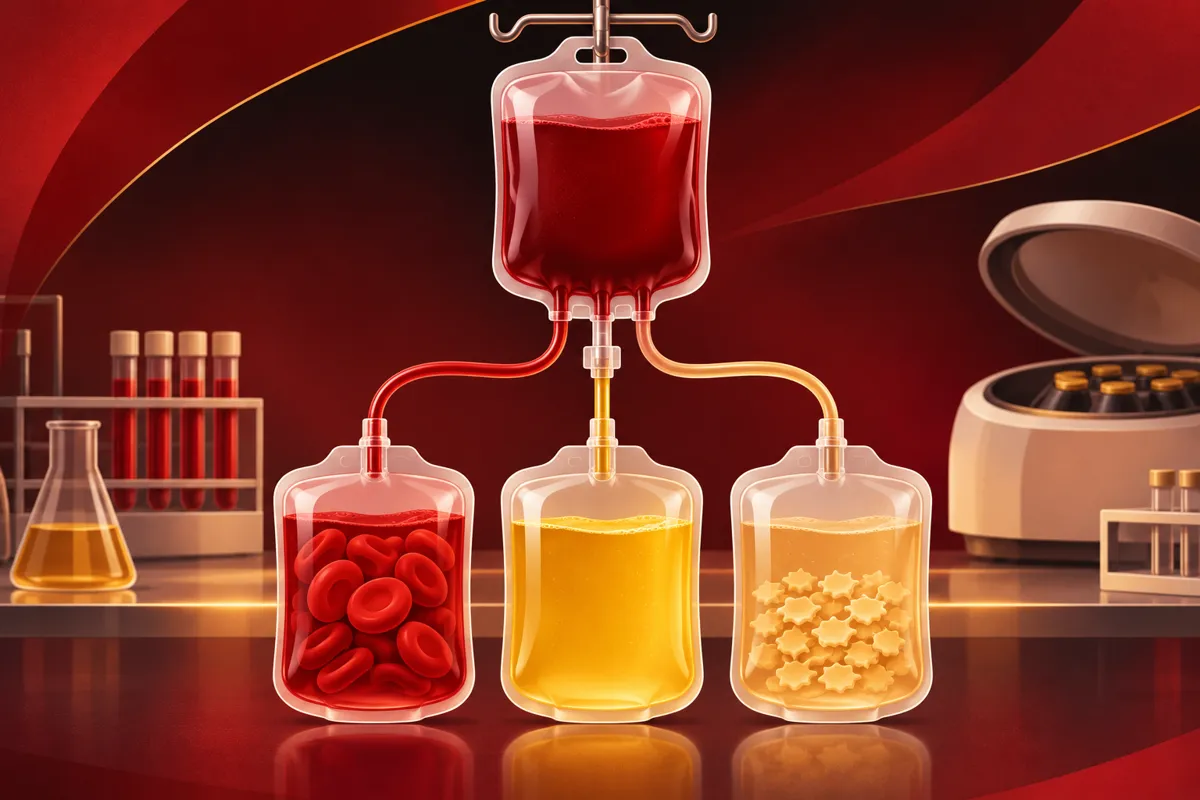
Your unit is separated into red cells, plasma and platelets. Each goes to a different patient and keeps for a different length of time.
Eat, drink, sleep, bring ID. Then rest, hydrate and skip the gym for a day. Small steps that make donation easy.
Take the online pledge and download your certificate. The blood centre calls you when your group is needed.