One donation, up to three patients: what happens to your blood
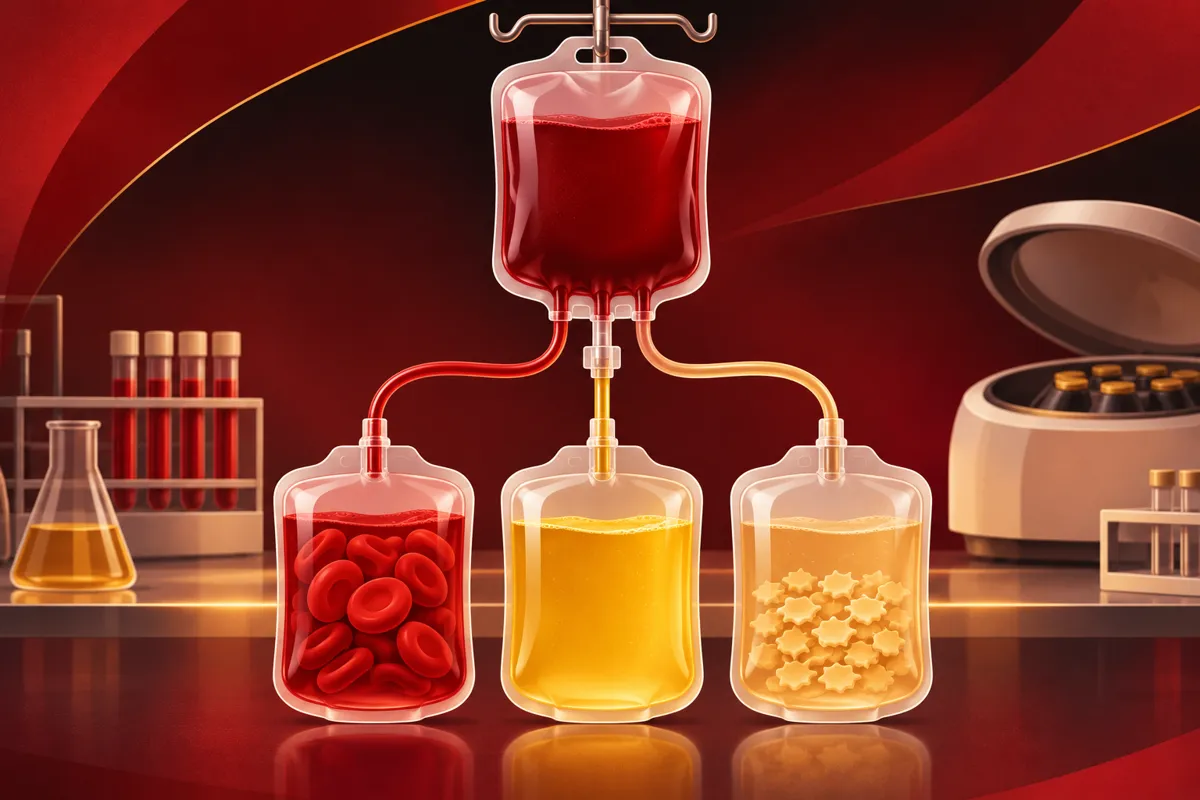
Your unit is separated into red cells, plasma and platelets. Each goes to a different patient and keeps for a different length of time.
In India, blood donors are selected under the Guidelines for Blood Donor Selection & Blood Donor Referral issued by the National Blood Transfusion Council (NBTC) in 2017. Every licensed blood centre, including the one at Government Rajaji Hospital, follows them. The rules have two goals: to keep you safe while donating, and to keep the patient safe when receiving your blood.
| Criterion | Requirement | Why |
|---|---|---|
| Age | 18 to 65 years (first-time donors above 60 are assessed carefully) | Adults whose bodies can safely replace the blood |
| Weight | At least 45 kg (350 ml unit); above 55 kg for a 450 ml unit | The volume taken must be a safe share of your total blood |
| Haemoglobin | 12.5 g/dL or more | Protects donors from becoming anaemic |
| Gap between donations | 90 days for men, 120 days for women | Time to rebuild red cells and iron stores |
| On the day | Normal temperature, pulse and blood pressure; feeling well | Donation should never harm a donor who is unwell |
Being asked to wait (a "deferral") is not a rejection. Most deferrals are temporary:
Some conditions mean a person should not donate at all, to protect their own health or the patient's. These include serious heart, kidney or liver disease, some cancers, and infections that can be passed on through blood.
Be honest on the form. Blood is tested for HIV, hepatitis B and C, syphilis and malaria, but every test has a short "window period" after infection when it cannot yet detect it. Your honest answers protect the patient during that window.
Before you donate, a doctor or trained staff member checks your weight, blood pressure, pulse, temperature and haemoglobin, and goes through your health history. The final decision is theirs. If you are deferred, ask when you can come back. Most people can return within weeks or months.
Ready? Take the pledge, and the blood centre will reach you when your group is needed.
This article is general health information, not medical advice. Eligibility is always decided by the doctor at the blood centre. Content to be reviewed by the Department of Immunohaematology & Blood Transfusion, MMC.
Your unit is separated into red cells, plasma and platelets. Each goes to a different patient and keeps for a different length of time.
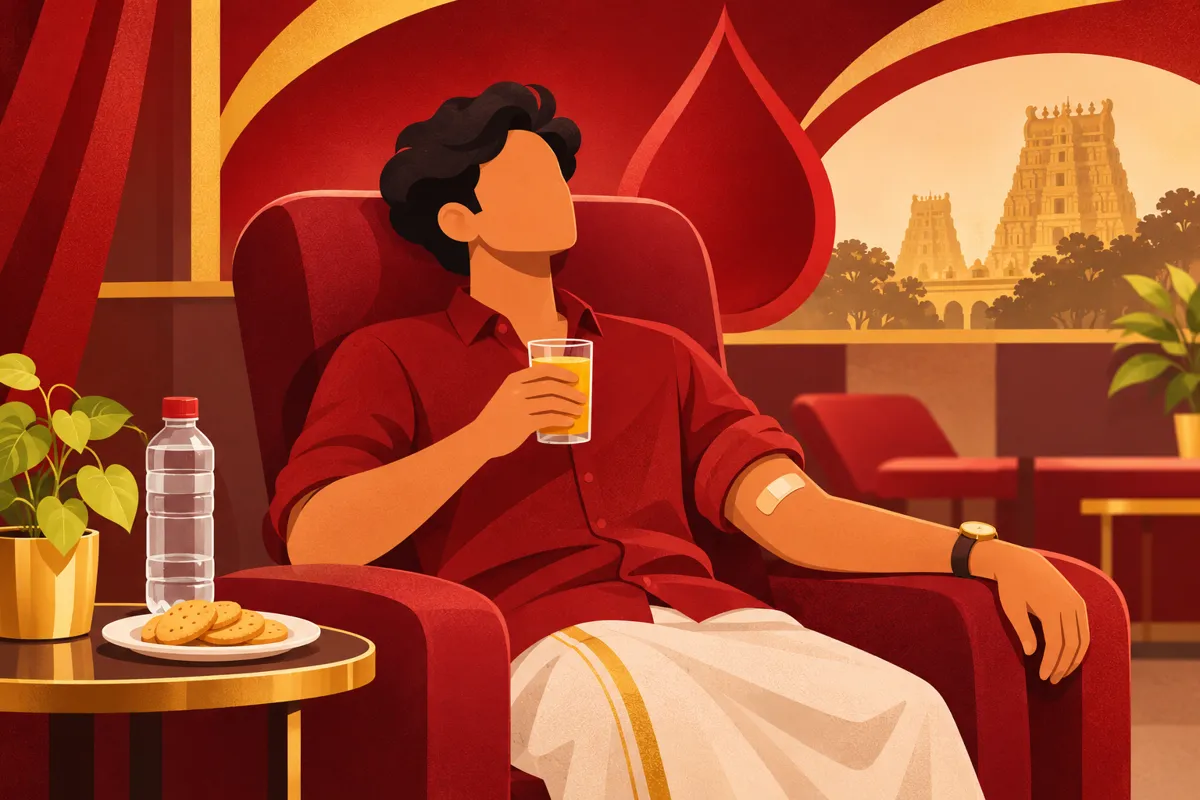
Eat, drink, sleep, bring ID. Then rest, hydrate and skip the gym for a day. Small steps that make donation easy.
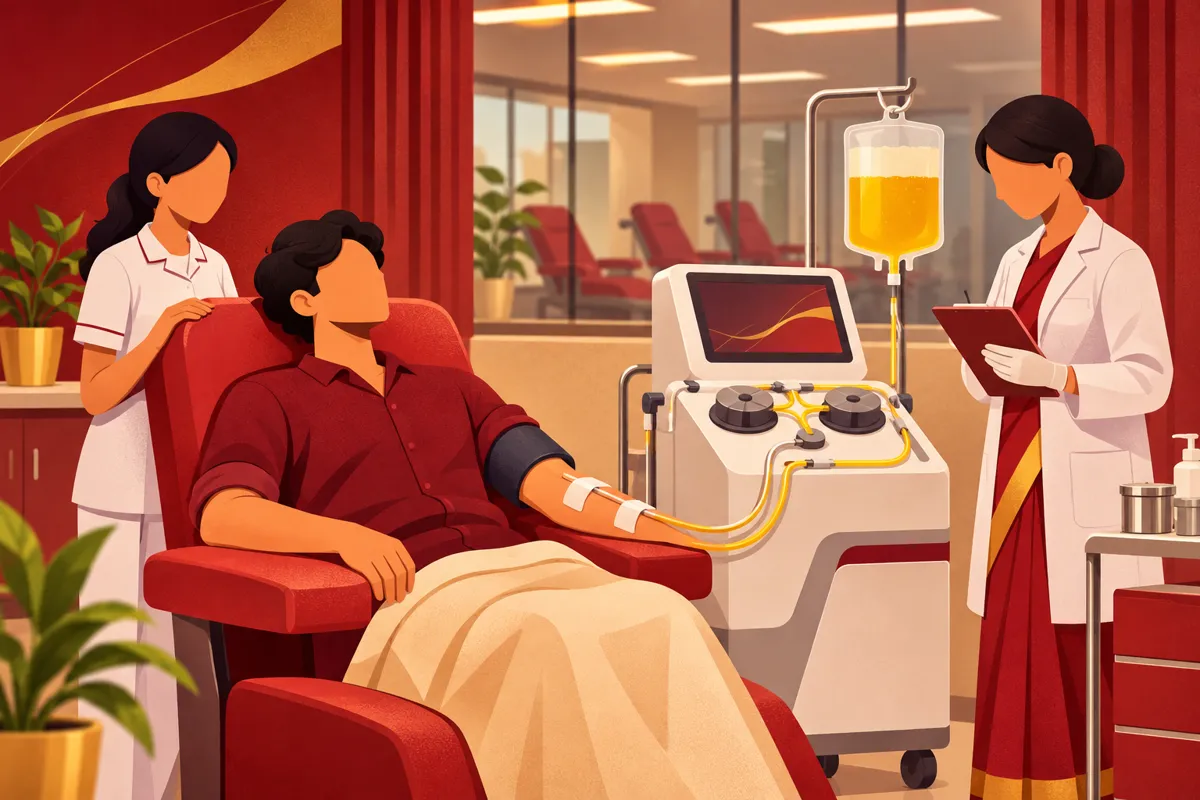
A machine collects only platelets and returns the rest of your blood. Who needs them, and how often you can give.
Take the online pledge and download your certificate. The blood centre calls you when your group is needed.