
Who can donate blood? The eligibility rules, explained
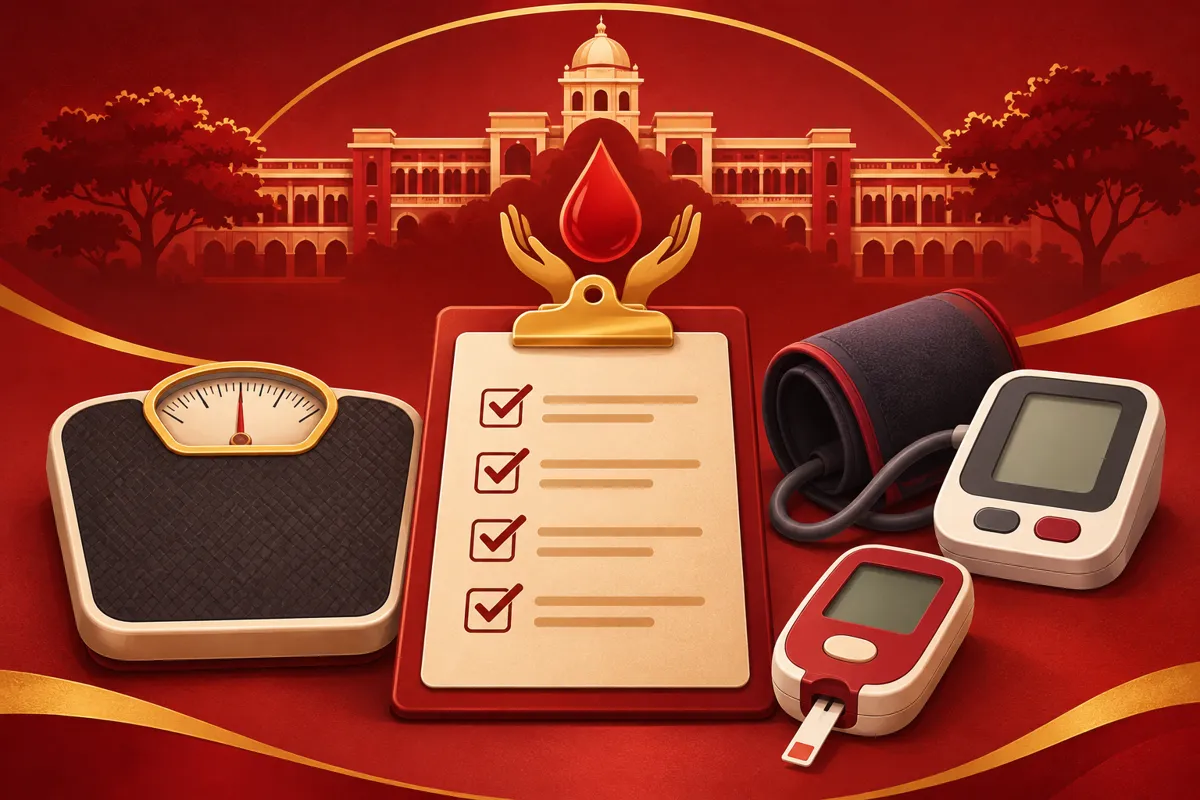
Age, weight, haemoglobin and the gap between donations: what the national guidelines say and why each rule exists.

The World Health Organization's position is clear: the safest blood comes from voluntary, non-remunerated donors, people who give freely, with nothing in return, and who come back regularly. India's own law and policy now say the same.
When people sell blood, the incentive is money, not health. Paid donors are more likely to hide illness, donate too often or come from high-risk situations. Before the 1990s, professional donors were a major source of blood in India, and of transfusion-transmitted infections such as hepatitis B and HIV.
In 1996, in Common Cause v. Union of India, the Supreme Court ordered the government to phase out professional blood donation, to set up a national council on blood transfusion, and to license all blood banks. Paid donation was banned from 1 January 1998. The National Blood Transfusion Council and State Blood Transfusion Councils, including Tamil Nadu's, were set up to oversee blood services.
The National Blood Policy that followed made voluntary donation the cornerstone of India's blood supply.
| Type | Who | Status |
|---|---|---|
| Voluntary | Gives freely, for anyone who needs it | The safest; encouraged |
| Replacement | A relative or friend donating to replace blood used by a patient | Allowed, but policy aims to move away from it |
| Paid / professional | Gives blood for money | Banned since 1998 |
Beware of agents. Anyone offering to "arrange blood" for money is breaking the law and putting the patient at risk. Blood at Government Rajaji Hospital is issued free of cost through the blood centre. Report touts to the blood centre.
The Blood Donors Club exists to build exactly the donor base the policy calls for: healthy, informed, voluntary donors who return year after year. Every pledge and every camp makes the supply a little safer and a little steadier.
This article is general health information, not medical advice. Eligibility is always decided by the doctor at the blood centre. Content to be reviewed by the Department of Immunohaematology & Blood Transfusion, MMC.
Age, weight, haemoglobin and the gap between donations: what the national guidelines say and why each rule exists.
On 1 November 2026, medical students competed in quizzes, case challenges, a model health assembly and online contests at Madurai Medical College.
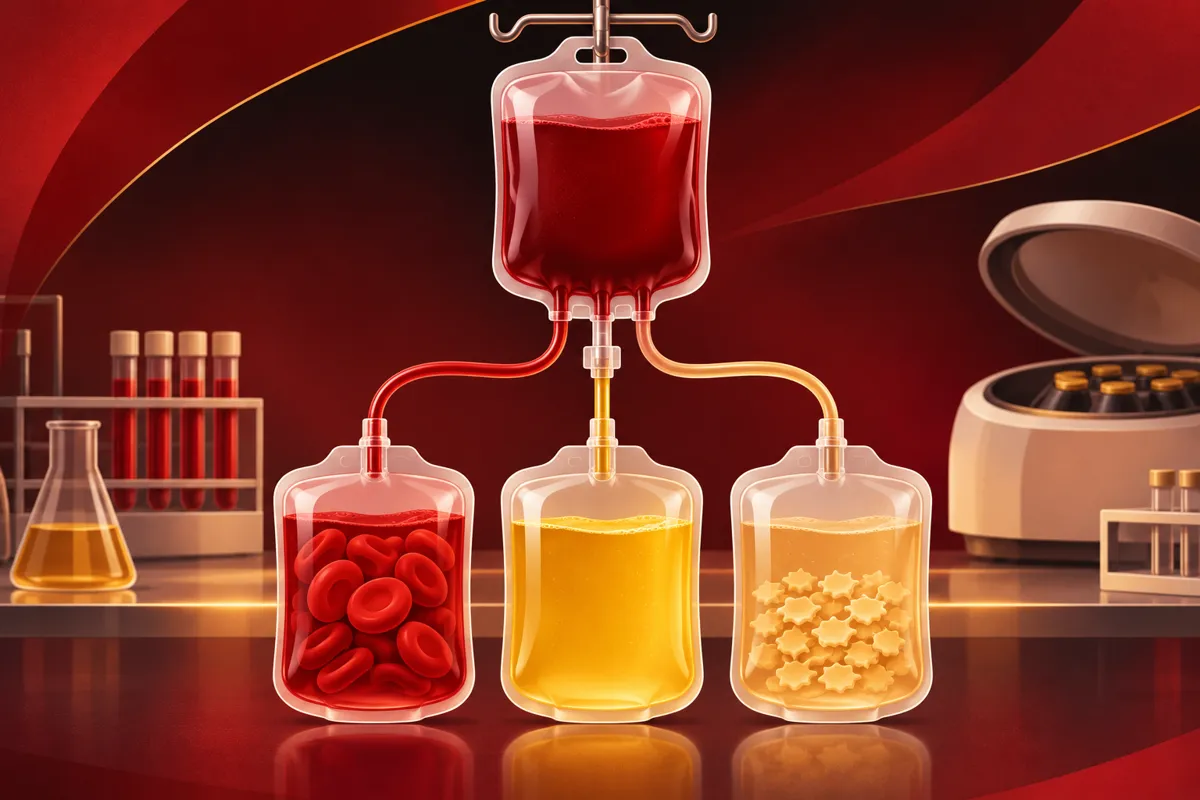
Your unit is separated into red cells, plasma and platelets. Each goes to a different patient and keeps for a different length of time.
Take the online pledge and download your certificate. The blood centre calls you when your group is needed.