Blood groups explained: ABO, Rh and who can receive from whom
Why O negative is called the universal red cell donor, why AB is the universal plasma donor, and why every group is needed.
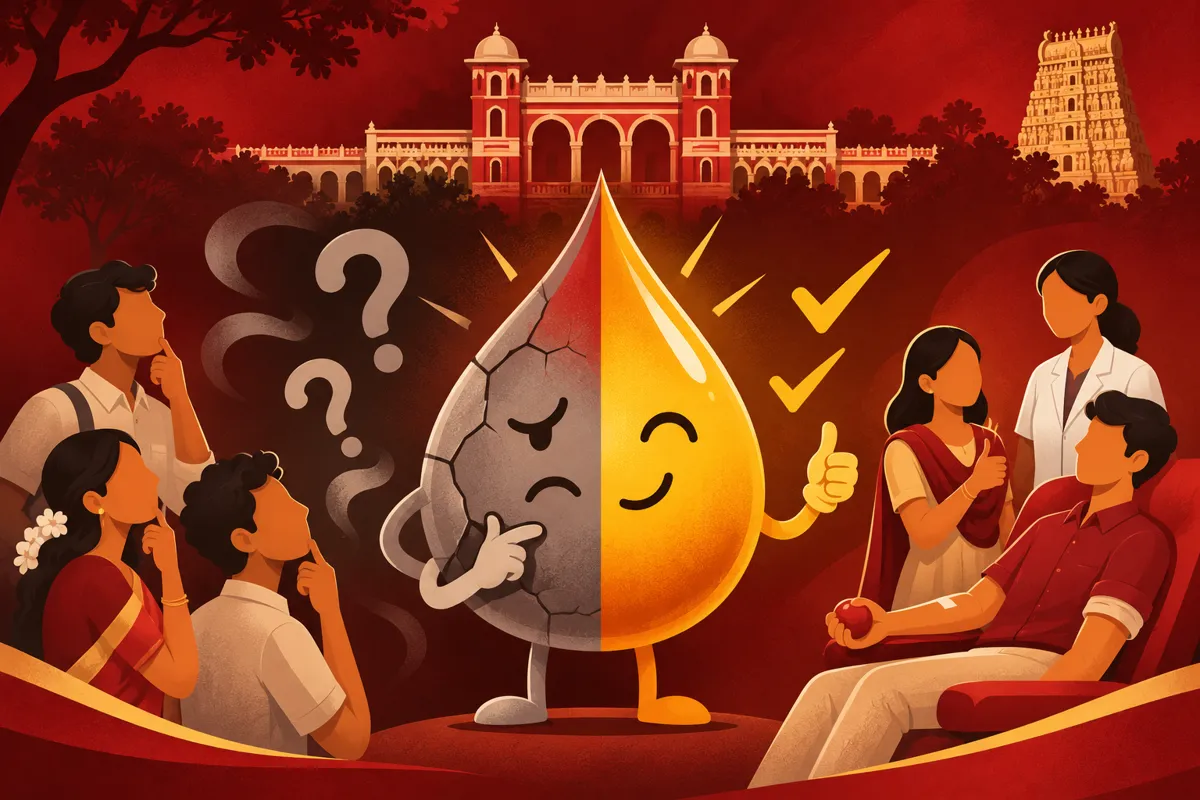
At every camp, our volunteers hear the same worries. Most come from stories passed around rather than facts. Here are the eight we hear most, and what is actually true.
Fact: A healthy adult has about 5 litres of blood, and a donation takes 350 to 450 ml. Your body replaces the fluid within a day or two and the red cells over the next few weeks. Most donors go back to normal activities the same day. Just avoid heavy exercise and lifting for 24 hours.
Fact: You feel a quick pinch as the needle goes in, like an injection. The donation itself takes about 8 to 10 minutes.
Fact: Every donor gets a new, sterile, single-use needle and bag, which are discarded afterwards. There is no way to catch an infection by donating.
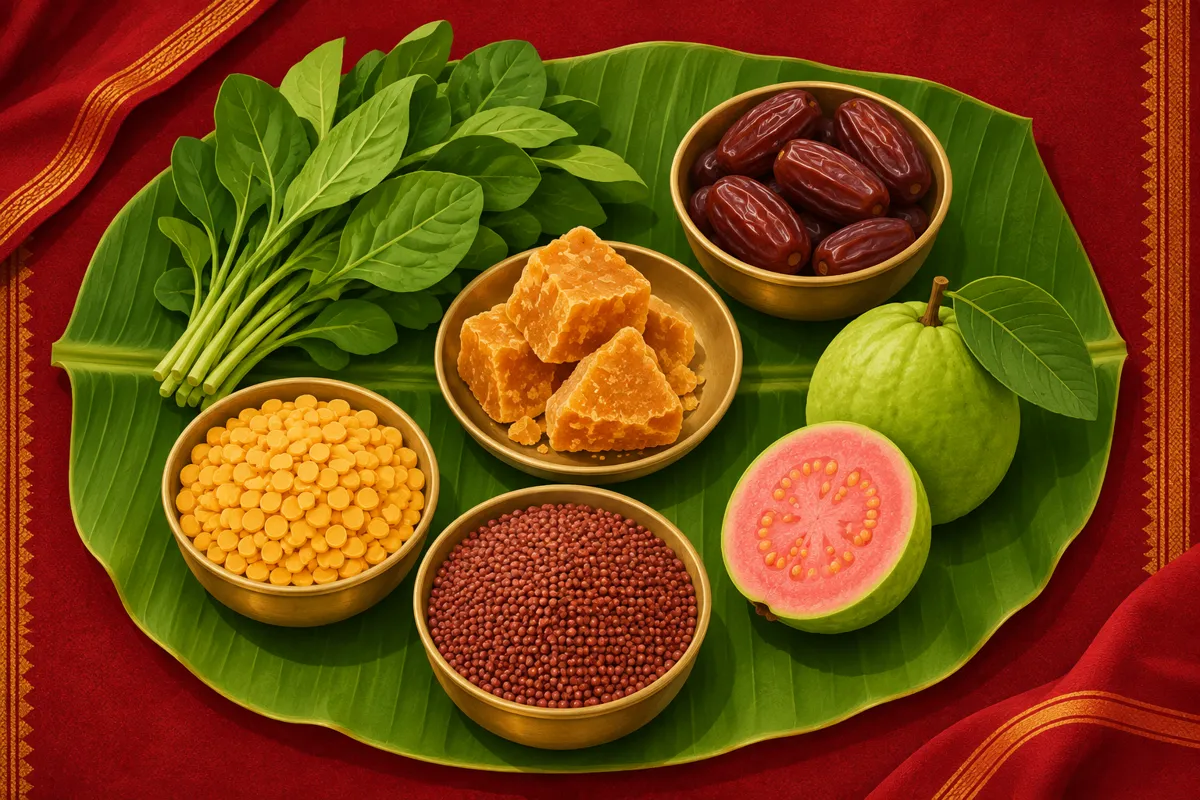
Fact: Eligibility depends on your haemoglobin, not your diet. Your haemoglobin is checked before every donation. Plenty of vegetarians donate regularly. Iron-rich foods such as greens, dal, ragi and jaggery help.
Fact: Common groups such as O and B positive are used the most, because most patients have them. Every group is needed every day.
Fact: Healthy women who meet the criteria can donate, with a gap of 4 months between donations. They are deferred during pregnancy, after delivery and while breastfeeding.
Fact: Donation is always voluntary. Your body does not "get used to" losing blood. That said, regular donors are the backbone of a safe blood supply, and we hope you come back.
Fact: Donors can be up to 65 years old, and many people with well-controlled blood pressure can donate. The doctor at the blood centre decides after checking you.
Still worried about something? Ask the doctor at the blood centre. It is their job to make sure donating is safe for you.
This article is general health information, not medical advice. Eligibility is always decided by the doctor at the blood centre. Content to be reviewed by the Department of Immunohaematology & Blood Transfusion, MMC.
Why O negative is called the universal red cell donor, why AB is the universal plasma donor, and why every group is needed.
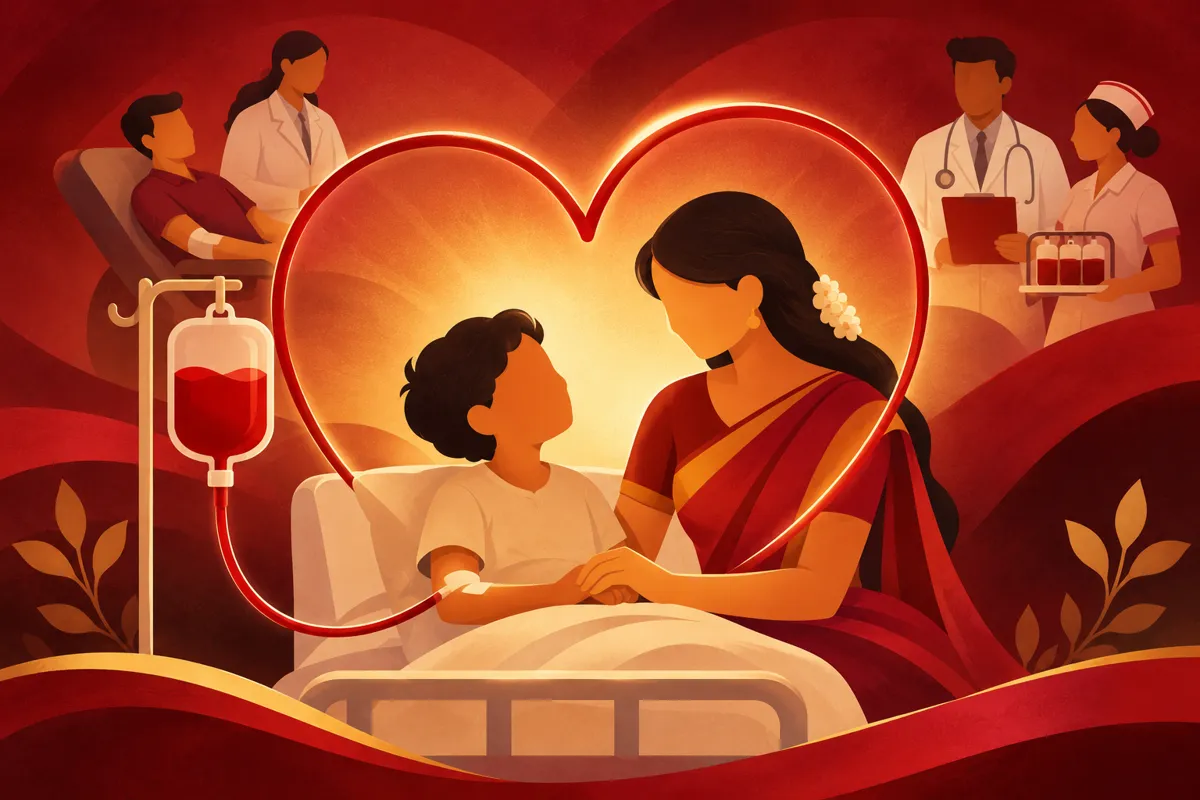
Children with thalassaemia major depend on regular transfusions for life. Repeat voluntary donors are what keep that supply steady.
Low haemoglobin is one of the commonest reasons donors are turned away in India. Everyday foods that keep your iron up.
Take the online pledge and download your certificate. The blood centre calls you when your group is needed.